Parking Lots Built for Florida Weather
Commercial Asphalt Paving in Orlando for multi-tenant properties, office parks, and retail centers requiring code compliance and phased construction
US Asphalt & Construction handles commercial asphalt projects from initial site assessment through final sealcoating for properties across Orlando metro, including Kissimmee and Winter Park. The company delivers turnkey paving for office complexes, retail centers, and multi-tenant lots where durability and minimal operational downtime determine project success. Each commercial installation accounts for Florida's wet season drainage requirements and high summer temperatures that affect asphalt mix design.
Commercial asphalt paving involves removing deteriorated surfaces when necessary, engineering a stable aggregate base, applying hot-mix asphalt formulated for heavy traffic loads, compacting to specification, and finishing with striping and sealcoating. Florida's heat and extended rainy periods require engineered mixes that cure properly in humid conditions and maintain flexibility during thermal expansion cycles.
Schedule a site assessment to review base conditions, drainage requirements, and phasing options for your commercial property.
What Proper Commercial Paving Requires
The process begins with evaluating your existing surface and subgrade stability—commercial lots experience concentrated load stress at delivery zones and entryways, so base design must account for weight distribution patterns specific to your tenant mix. US Asphalt & Construction integrates site-specific factors: soil conditions, stormwater management codes, ADA-compliant slope requirements, and utility corridor locations that affect compaction depth.
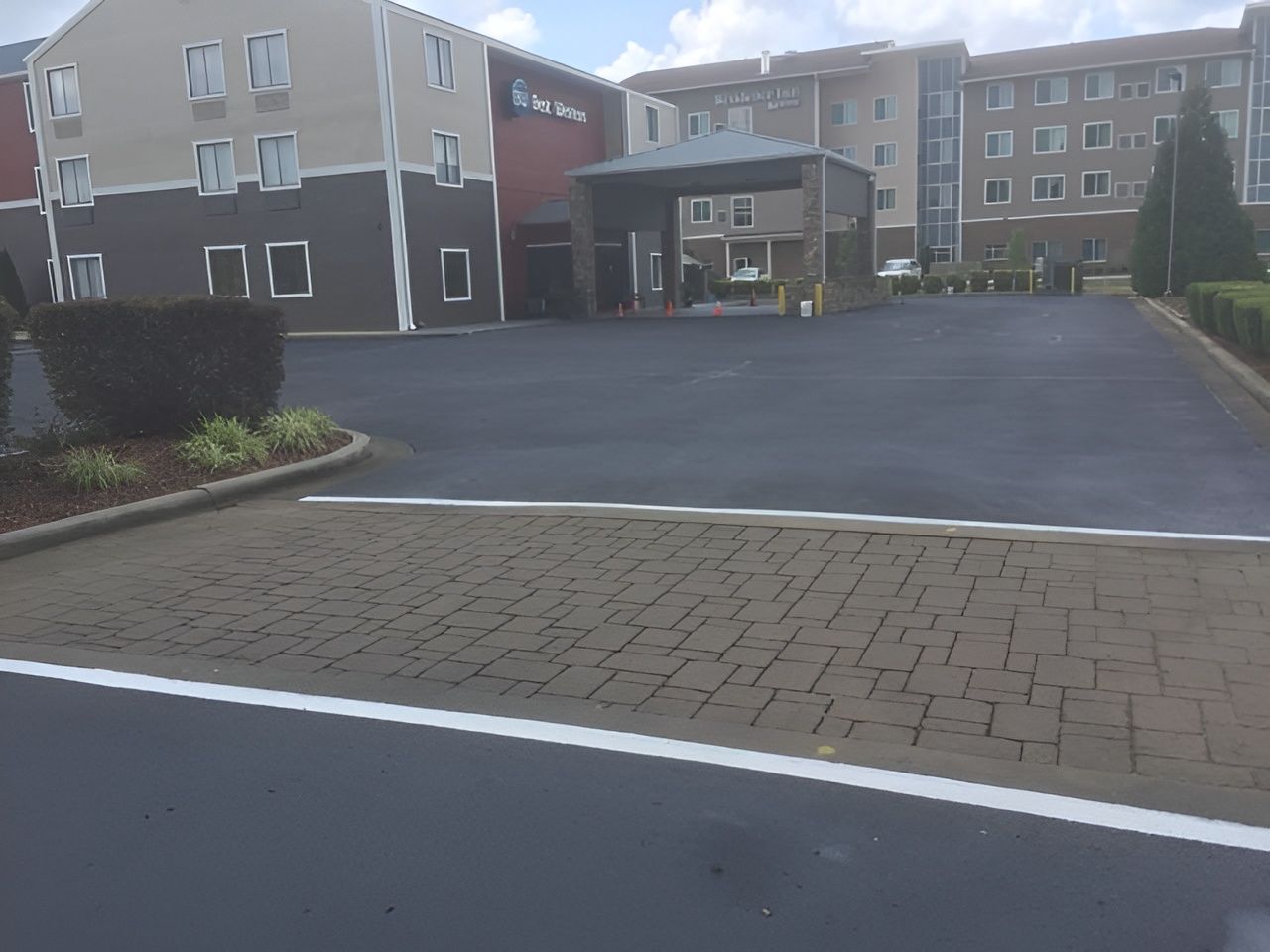
Once the new surface is compacted and cured, you'll notice uniform drainage during storms, elimination of ponding that previously damaged pavement edges, and a smooth surface that reduces vehicle wear and liability exposure. Striping remains visible under headlights, and the sealcoat layer protects against UV degradation and petroleum spills common in commercial settings. Properties see extended pavement life—properly installed commercial asphalt in Central Florida typically performs for fifteen to twenty years before requiring major rehabilitation.
Phased construction allows sections of your lot to remain operational while work progresses, a critical consideration for retail and office properties that cannot afford full closures. The company schedules paving during cooler months when possible or coordinates night work to minimize tenant disruption, and coordinates with striping crews to restore parking layouts that match your site plan and local fire lane requirements.
Questions Before Starting Your Project
Commercial property managers and business owners often ask about timelines, costs, and what the paving process involves for active sites.
What does turnkey commercial asphalt paving include?
The scope covers site assessment, removal of failed pavement when needed, engineered base preparation, asphalt application using mixes designed for Florida's climate, multi-pass compaction to eliminate voids, striping that meets ADA and fire code, and a sealcoat layer applied after the surface cures.
How does phased construction work for occupied properties?
Sections of the lot are barricaded and paved sequentially so tenants and customers retain access to other areas; scheduling accounts for peak business hours, delivery windows, and events that require full parking availability.
Why does Florida heat affect asphalt mix design?
High temperatures during application can cause premature hardening before compaction is complete, while summer heat cycles cause expansion that weaker mixes cannot tolerate; engineered mixes use polymer-modified binders and specific aggregate gradations that maintain stability in humid, high-UV conditions.
What factors affect commercial asphalt paving costs per square foot in Orlando?
Base condition and required depth, removal and disposal of existing pavement, site accessibility for heavy equipment, drainage infrastructure adjustments, striping complexity, and project phasing requirements all influence per-square-foot pricing.
When should commercial properties schedule asphalt paving?
Cooler months from October through April offer ideal curing conditions and lower humidity, but projects can proceed year-round with adjusted mix designs and scheduling; properties should plan paving during low-occupancy periods or coordinate phased work to maintain operations.
US Asphalt & Construction has operated for twenty-five years and expanded across four counties, completing commercial projects throughout Orlando metro, Tampa, and St. Petersburg corridors. Request a project estimate that includes base engineering recommendations, phasing options, and a timeline tailored to your property's operational needs.