Parking Lots and Driveways Built for Decades
Asphalt Paving in Orlando for commercial properties and driveways exposed to high UV intensity and seasonal wet weather
US Asphalt & Construction installs asphalt surfaces across Orlando, Kissimmee, Winter Park, and Castleberry, extending into Tampa and St. Petersburg for commercial projects that require repeatable, scalable paving protocols. The company has operated for twenty-five years, serving clients who need parking lots and driveways engineered for Florida's heat cycles and humidity-driven deterioration. You receive a finished surface that resists cracking and UV degradation through material selection tailored to Central Florida's climate rather than generic northern mixes that fail under constant sun exposure.
The process begins with base evaluation to confirm load-bearing capacity, followed by asphalt mix selection designed for high-temperature stability and moisture resistance. Florida's wet season subjects pavement to rapid saturation and drying cycles, which weaken improperly prepared bases, while year-round UV exposure oxidizes asphalt binders faster than in temperate zones. Proper installation accounts for both factors by adjusting aggregate ratios and curing protocols specific to Orlando's climate conditions.
Schedule a property evaluation to review your base condition and confirm material specifications for your site..
How Asphalt Installation Addresses Florida Climate Challenges
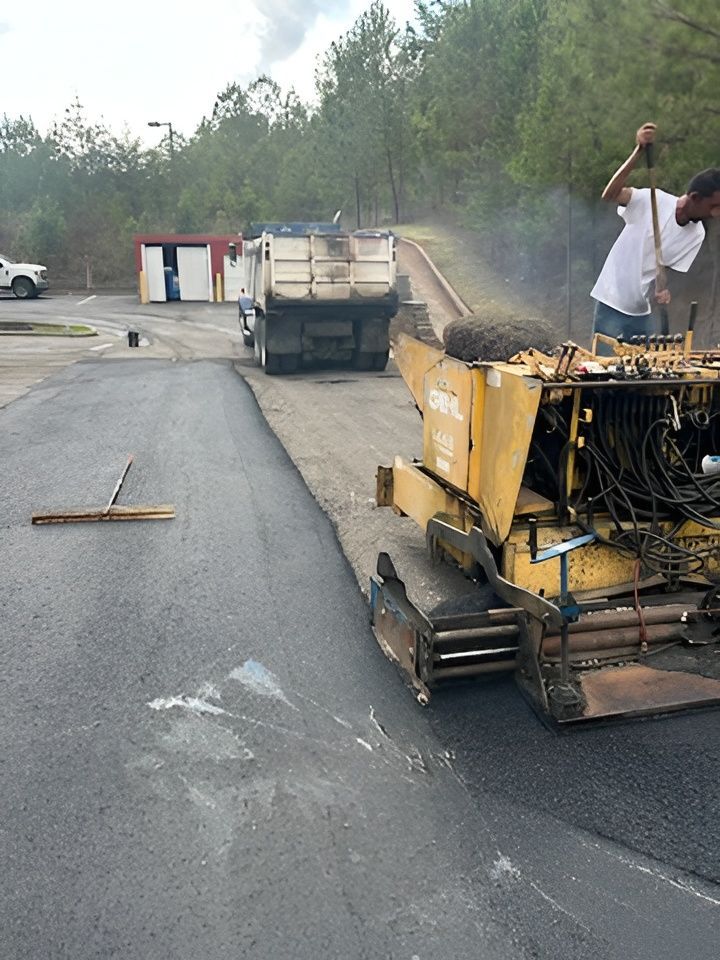
Your project moves through preparation, material placement, and compaction stages that determine long-term surface performance. Base grading corrects drainage slopes to prevent standing water, which accelerates asphalt breakdown in areas that see afternoon thunderstorms from June through September. The asphalt mix applied uses binder grades and aggregate sizes tested for Florida heat resistance, ensuring the surface remains stable when pavement temperatures exceed one hundred fifty degrees during summer months.
After compaction, you notice a smooth, uniform surface free of rutting or low spots where water would pool during heavy rain events. Properly installed asphalt maintains its structural integrity under repeated thermal expansion and contraction, which means fewer crack repairs over the pavement's first decade. The surface texture supports vehicle traction even when wet, reducing hydroplaning risk on commercial lots during peak storm activity.
Commercial installations often span multiple acres and integrate with striping, drainage work, and perimeter grading to manage runoff required by local stormwater regulations. Projects in Winter Park and Castleberry frequently address older lots where previous asphalt was installed without adequate base depth, requiring removal and reconstruction rather than surface overlay to meet current load requirements for delivery vehicles and customer parking..
Questions Before Starting Your Asphalt Project
Property owners across Orlando and the Tampa Bay corridor often ask similar questions before committing to new asphalt installation..
What preparation work happens before asphalt goes down?
The existing surface is evaluated for stability, soft spots are excavated and refilled with compacted aggregate, and the base is graded to direct water away from structures and toward drainage systems that handle Central Florida's high-volume rainfall events.
How does the asphalt mix differ for Florida installations?
Binder grades are selected for higher softening points to resist rutting when pavement heats to extreme temperatures, and aggregate is chosen for surface texture that drains water quickly while maintaining smoothness for vehicle traffic and pedestrian access.
When should paving be scheduled in Orlando?
Dry months from October through May allow for optimal curing conditions without interference from afternoon storms, though commercial projects with tight deadlines often proceed year-round using accelerated curing protocols and weather monitoring to avoid rain disruption during critical phases.
What determines whether a lot needs removal or overlay?
If the existing asphalt shows extensive alligator cracking, base failure, or drainage problems, removal and reconstruction address underlying issues that overlay cannot fix, whereas minor surface wear on a stable base can be resurfaced without full tear-out.
Why do some asphalt surfaces crack within a few years?
Inadequate base preparation, improper compaction, or use of asphalt mixes not rated for Florida's UV and heat exposure lead to premature failure, which is why material selection and installation protocols must match regional climate stressors rather than standard specifications used in cooler, drier states.
US Asphalt & Construction operates across a four-county region handling projects from single driveways to multi-acre commercial lots, applying the same climate-tested processes developed over twenty-five years in Central Florida. Request a detailed estimate based on your site's base condition, drainage requirements, and intended use to confirm material specifications and project timeline.